Our Research
Uncovering the unseen connections that drive disease across living systems
Our work centers on diseases like Chagas that remain underrecognized despite their global impact. By studying vectors, hosts, and environments together, we generate knowledge that supports public health action, increases awareness, and promotes more equitable health outcomes.

Themes in Our Work
-
![A detailed illustration of a microscope with an eyepiece, focusing knob, stage, and base.]()
Cross-Scales Research
We investigate all components of vector-borne and zoonotic disease systems from the pathogens to the vectors to the hosts to the communities. By considering all components of the transmission landscape we are able to capture nuances not possible using traditional, siloed, one-vector-one pathogen approaches.
-
![A vintage-style illustration of a globe on a stand, showing continents and longitude and latitude lines.]()
One Health
Planetary health is intrinsically linked to human health. We work in these two areas reciprocally: our disease ecology work informs our work with the community and vice versa.
-
![A black and white photo of a snake curled around a rectangular object with a gray surface, set against a mostly black background.]()
Disease Dynamics
We are always trying to find out what’s really going on in a given system or scenario. In fancy science terms, people might say that we are interested in mechanistic questions. But basically, it goes like this: disease dynamics are just that- always dynamic, always complex, and always more than meets the eye!


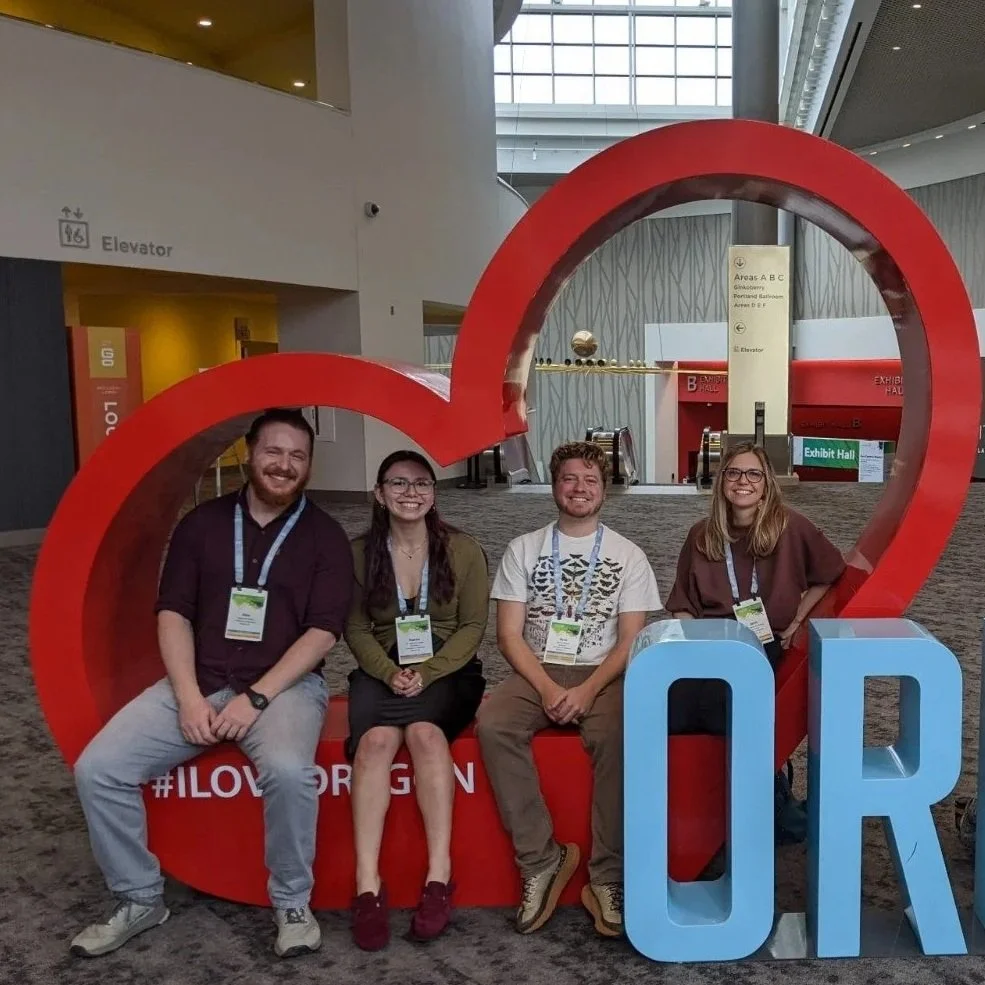
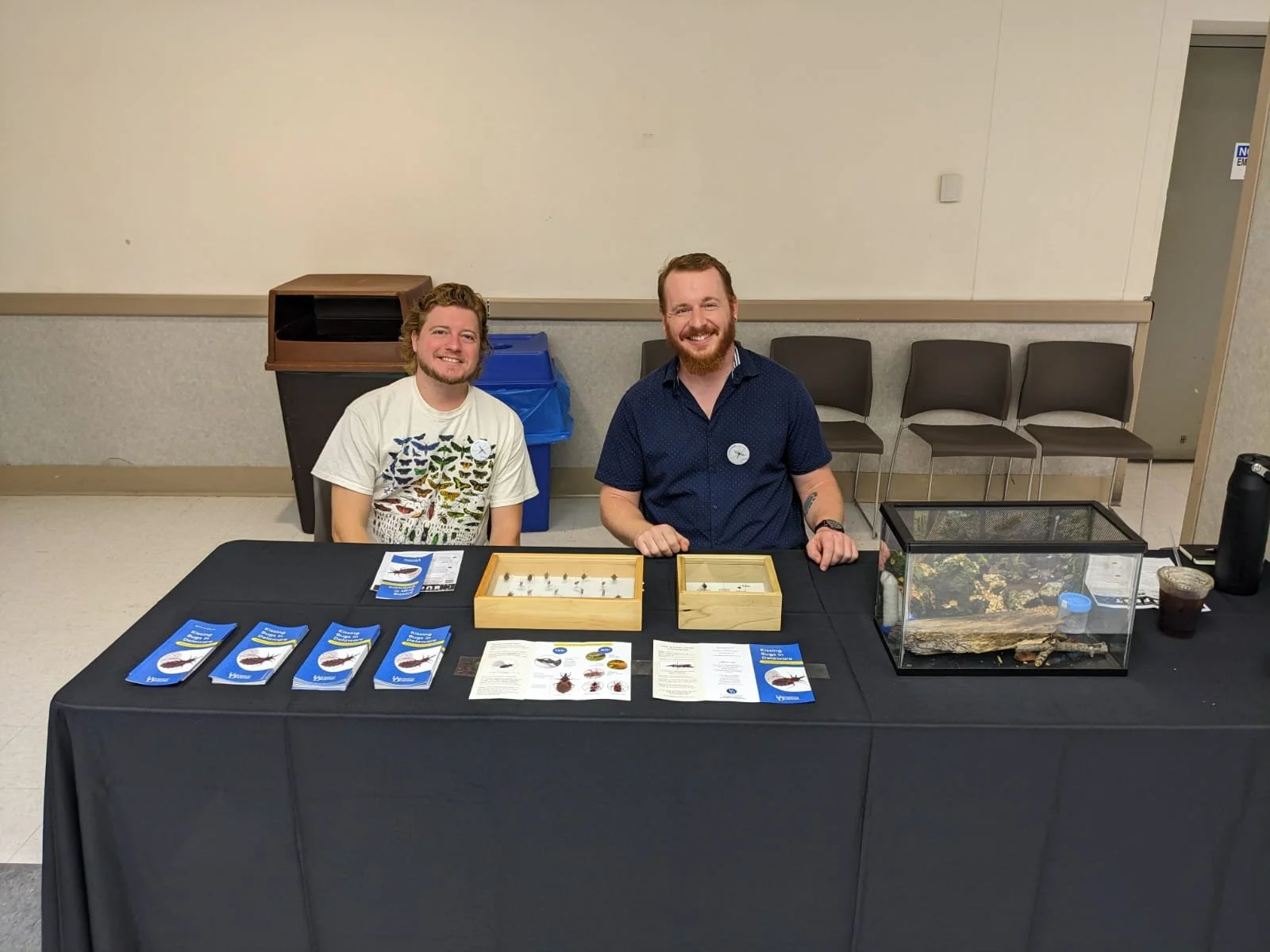
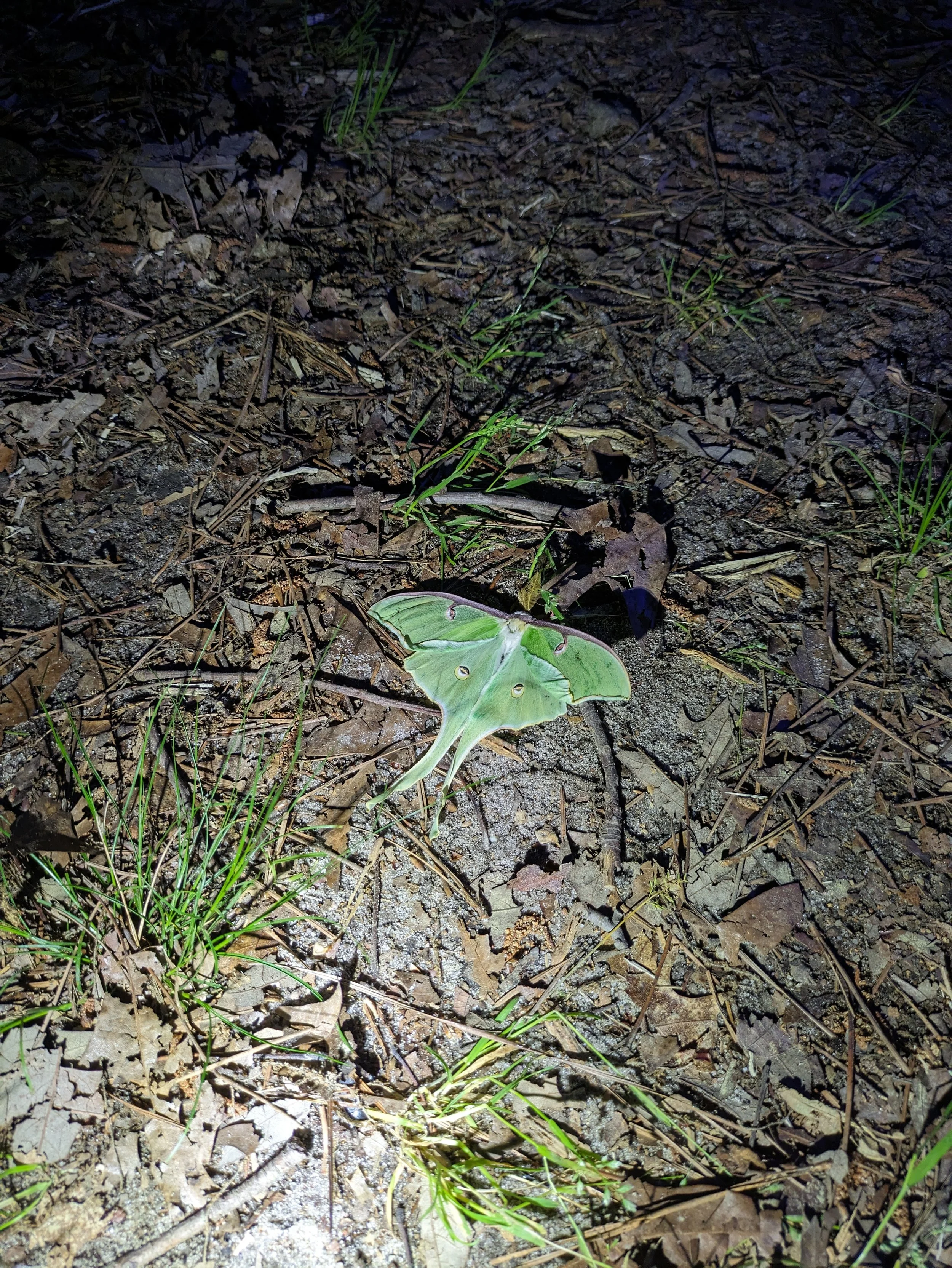
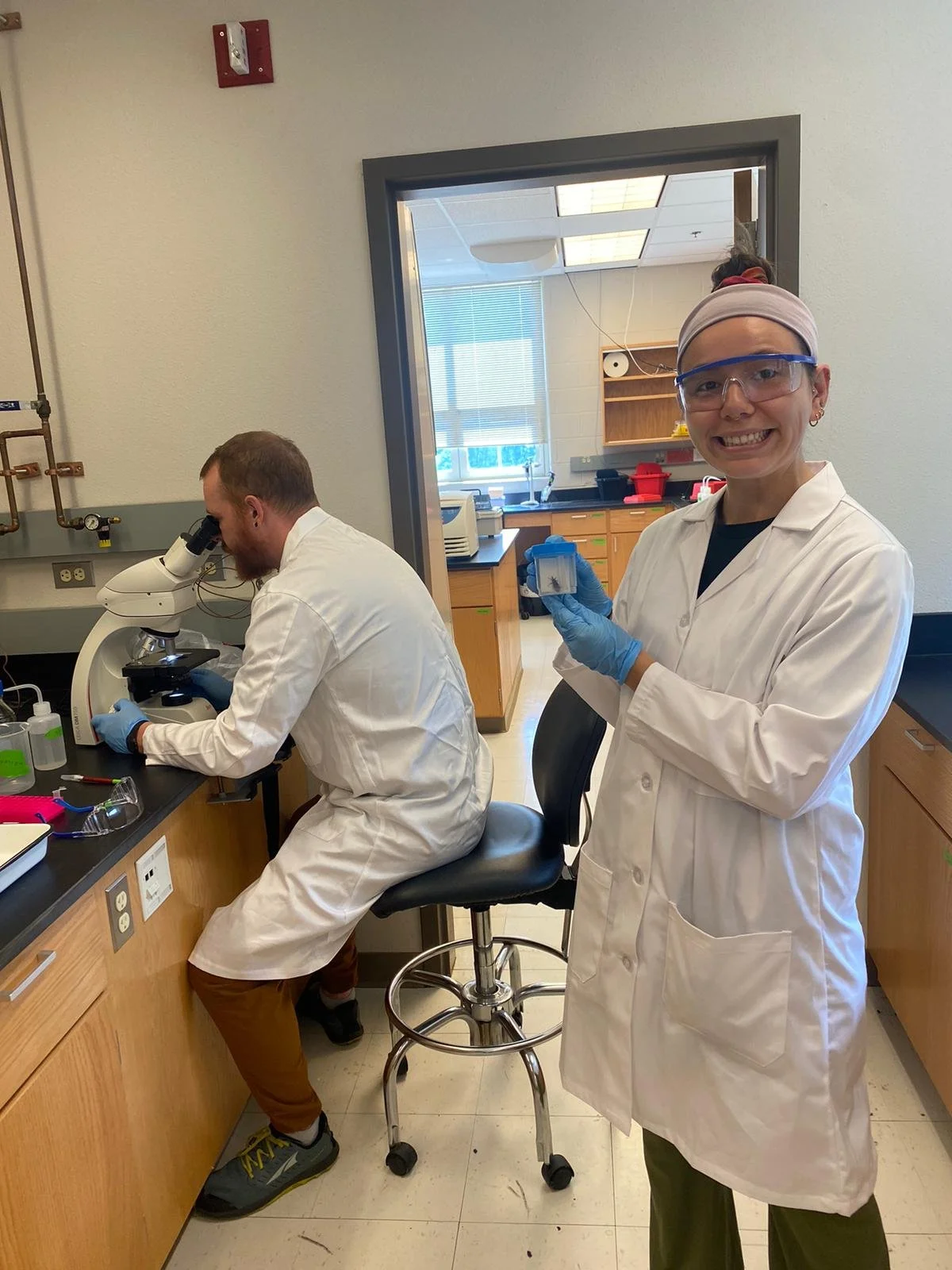
Check out the lab in action

featured project
Eco-epidemiology of Chagas disease in the northeastern United States
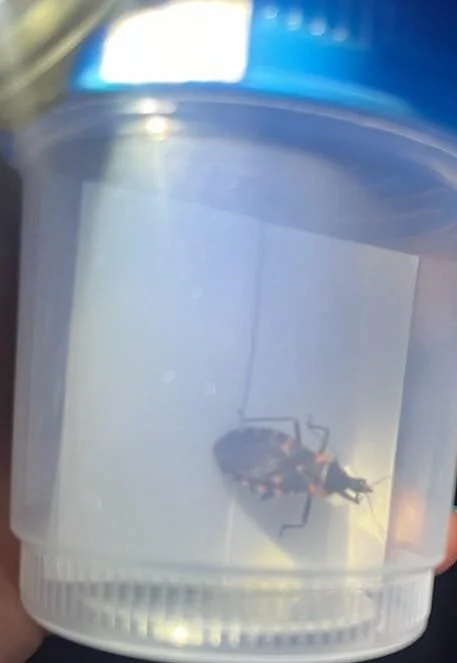
Triatoma sanguisuga, the most widespread Chagas disease vector in the United States, has historically been understudied across much of its range.
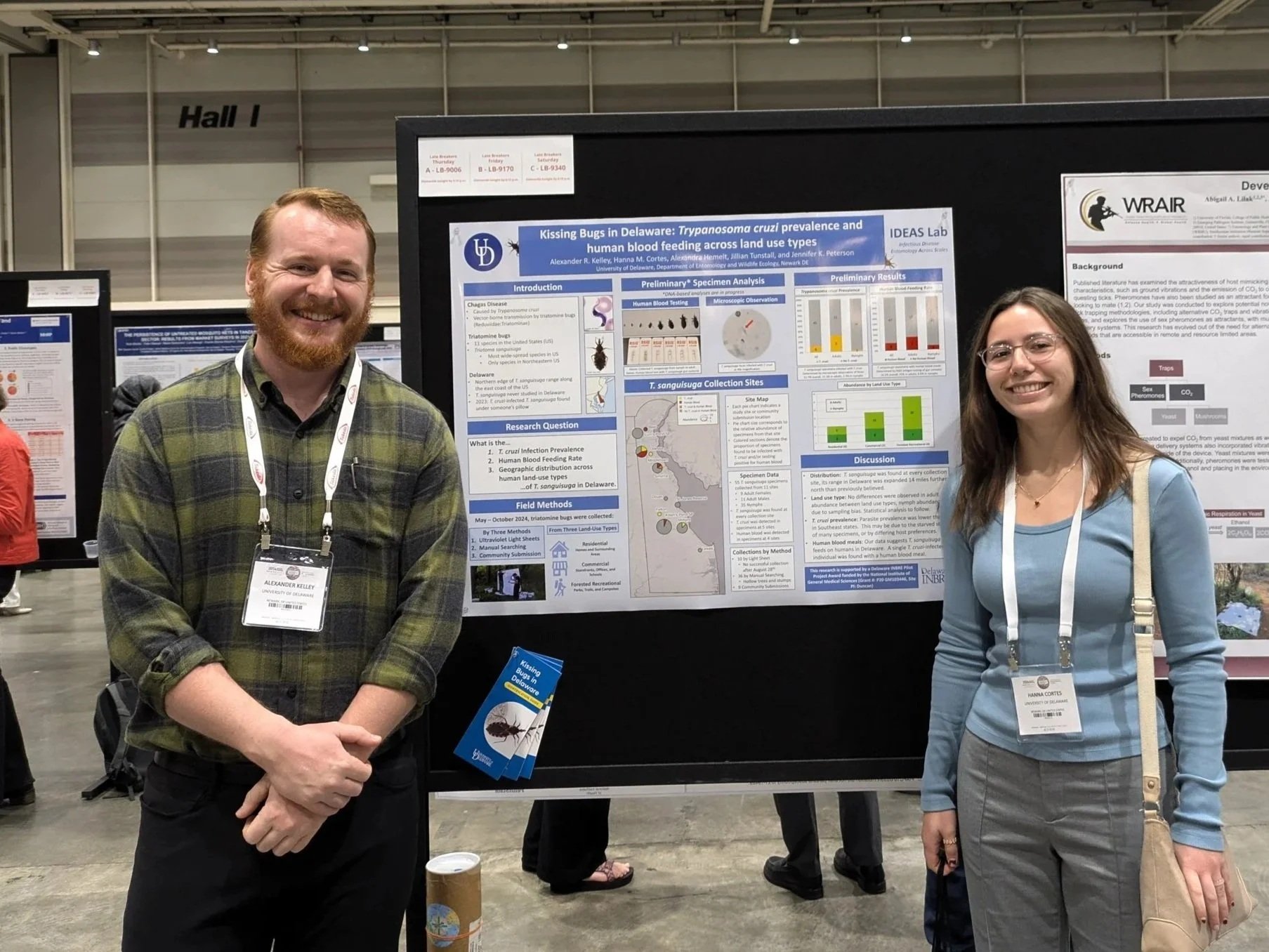
After identifying the first T. cruzi–infected specimen in Delaware in 2023, our lab launched the first investigation of this species in the northeastern U.S. We collected over 100 specimens from homes, schools, businesses, and natural areas. Our findings revealed that infected bugs are feeding on both humans and animals, highlighting a previously unrecognized public health risk.
Building on this work, we are developing predictive models and risk maps to identify areas of highest exposure, while partnering with communities and public health agencies to improve awareness, guide vector management, and strengthen regional preparedness.

featured project
Distribution and Determinants of Chagas disease across Caribbean Island nations
Chagas disease is present across the Caribbean, with many islands reporting infected vectors, animals, and even human cases—yet it is often not recognized as locally transmitted due to limited surveillance.
Our research focuses on Trinidad and Tobago, where strong evidence of transmission exists despite its non-endemic classification, including high infection rates in insect vectors and documented infections in both humans and animals. Since 2016, we have worked to clarify the true public health significance of Chagas disease in the region through studies of vectors, hosts, and community awareness.
This work aims to close critical gaps in knowledge and recognition, ultimately supporting better surveillance, resources, and public health action across the Caribbean.
featured project
Employing tiny tracking devices to gain new insights into disease vector movement
Understanding how disease vectors move is essential to preventing transmission, yet much of this behavior remains unknown.
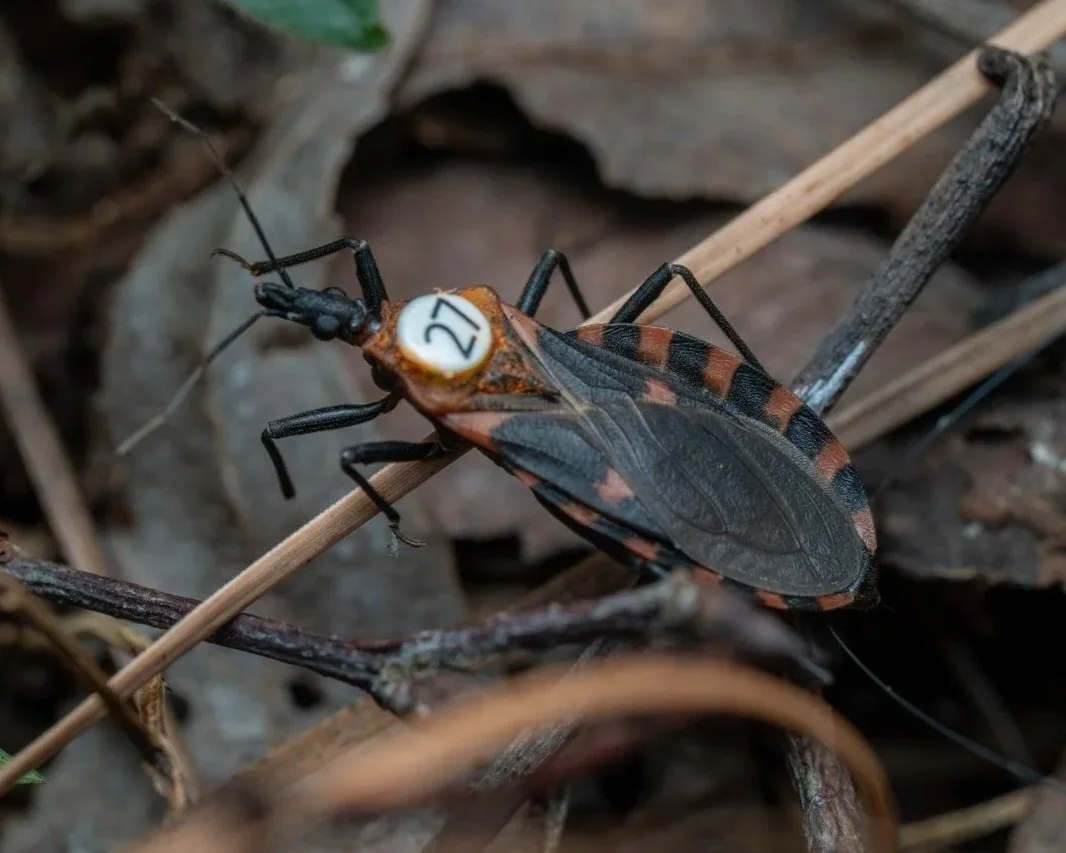
Our lab uses tiny harmonic radar tags to track mosquitoes, kissing bugs, and ticks in the wild, providing new insight into how these vectors move through space and time. This approach goes beyond traditional methods, revealing where vectors rest, feed, and disperse—including movement across both horizontal and vertical environments.
By uncovering these patterns, our work helps identify more precise targets for vector control and strengthens strategies to reduce disease risk.
Special thanks to our funders